Ex. Bagdogra/NJP/Hasimara – Brief itinerary: Phuentsholing – Thimphu – Punakha – Gangtey (Phobjikha) Pele la Pass – Haa Valley Chele la Pass – Paro (Tiger Nest)
Day 1: NJP/Hasimara/Bagdogra – Phuentsholing (300M)
Day 2: Phuentsholing (300M) – Thimphu (2300M)
Day 3: Thimphu (2300M) – Punakha (1130M)
Day 4: Punakha (1130M) – Gangtey (2900M) – Punakha(1130M)
Day 5: Punakha (1130M) – Paro (2250M)
Day 6: Paro (2250M) – Haa (2700M) – Paro(2250M)
Day 7: Paro (2250M)
Day 8: Paro (2250M) – Phuentsholing (300M)
Day 9: Phuentsholing (300M) – NJP/Hasimara/Bagdogra Departure
DAY 1: ARRIVAL NJP/HASIMARA/BAGDOGRA (136M) – PHUNTSHOLING (300M)
Upon arrival at NJP Railway Station/Bagdogra/Hasimara, our representative will warmly receive you and transfer you to Phuentsholing, the gateway town to Bhutan. The drive takes around 4 to 5 hours through scenic roads and tea gardens. After arrival, check in to hotel. Evening free to explore the border town or relax after your journey
Overnight stay in Phuentsholing
DAY 2: PHUENTSHOLING (1130M) – THIMPHU (2300M)
After breakfast, check out and complete immigration formalities and drive to Thimphu, the capital city of Bhutan. Distance: Approx. 170km (5 – 6 hours). On the way enjoy beautiful mountain landscapes and waterfalls. Enroute sightseeing includes:
- Sangay Migyur Ling Monastery: This monastery is a serene spiritual site located along the highway. It offers peaceful surroundings and a glimpse into Bhutanese Buddhist traditions practiced by monks in daily life.
- Gedu – peaceful hill town with beautiful forest views.
- Chukha Hydropower Dam
- Wangkha Waterfalls
- Chuzom Confluence – meeting point of Paro and Thimphu Rivers marked by three stupas.
Evening free to explore Thimphu town.
Overnight stay in Thimphu
DAY 3: THIMPHU (2300M) – PUNAKHA (1130M) via Dochula pass
After breakfast, enjoy a cultural exploration of Bhutan’s capital city:
Visit:
- National Memorial Chorten:
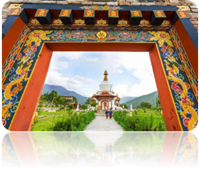
This is a Tibetan-style chorten built in 1974 in memory of the late King Jigme Dorji Wangchuk who passed away in 1972. It is one of the most visible religious structures in town and for many people it is the focus of daily worship. Remember to walk around the chorten at least once to gain merit and good luck.
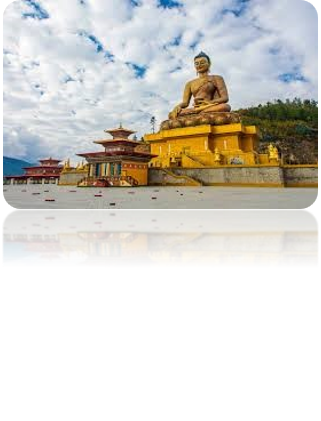
This massive statue of Shakyamuni measures in at a height of 51.5m, making it one of the largest statues of Buddha in the world. The statue is made of bronze and is glided in gold. The Buddha Dordenma is located atop a hill in Kuenselphodrang Nature Park and overlooks the southern entrance to Thimphu valley.
The old temple in Thimphu. Built in 12th century, it is located on a ridge above central Thimphu, with a picturesque view west all the way along the vast Thimphu valley. It is a popular temple attracting a regular procession of pilgrims, and new parents seeking auspicious names for their newborns or blessings for their young children.
- The Folk Heritage Museum:
The museum is a restored three story traditional rammed mud and timber house inaugurated as a museum by Her Majesty the Queen Ashi Dorji Wangmo in 2001. It Showcase the traditional artifacts used now and, in the past, which helps connect people to the Bhutanese rural life.
After sightseeing drive to Punakha (approx. 3 hours) crossing crossing the famous Dochula Pass (3100M), offering spectacular views of the eastern Himalayans on clear days.
- Motithang Takin Preserve The Takin Zoo is a small wildlife sanctuary located in Thimphu, Takin is our National animal, often called the “cattle-goat-antelope” due to its unusual appearance.
- National Library of Bhutan
After sightseeing drive to Punakha. It is approximately 2 to 3 hours’ drive.
We will drive (45min) from Thimphu to Dochula Pass (3050mts.) during a clear day you will get a chance to see Himalayan mountain ranges of Bhutan. Enjoy a spectacular view highest mountain of Bhutan at a site that stretches almost 180 degrees. The beauty of this place is further enhanced by the Druk Wangyal Chortens – a 108 stupas built by the eldest Queen, Her Majesty Ashi Dorji Wangmo Wangchuck, after a short tea break continue drive to sub-tropical Punakha.
Overnight stay at Punakha
DAY 4: PUNAKHA (1130M) – GANGTEY (2900M) –PUNAKHA (1130M)
After breakfast, proceed for an excursion to the beautiful Phobjikha valley.
A serene glacial valley, famous for its lush landscapes and the rare black – necked cranes that visit during winter. The valley offers stunning natural beauty and a peaceful environment perfect for the nature lovers.
Visit this impressive 15th century monastery, perched above the Gangtey valley. It is an important cultural and religious site and provides breathtaking views of the surrounding valley and traditional Bhutanese villages.
Pele La Pass is one of the most scenic mountain passes in Bhutan, located between Wangdue Phodrang and Trongsa. It also marks the traditional boundary between western and central Bhutan.
After sightseeing, drive back to Punakha for overnight stay. Enjoy the scenic journey back through the valleys and hills.
Overnight stay in Punakha
DAY 5: PUNAKHA (1130M) – PARO (2250M)
After breakfast, proceed for Punakha sightseeing.
Temple also known as the Temple of Fertility, 30mins walk from the road to the Lhakhang is through open farmland and rice paddies. It is believed that a demon who had been terrorizing the valley transformed herself into a black dog to escape the wrath of Drukpa Kuenlay, the Divine Madman.
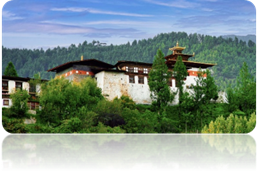
The Dzong is considered one of the most important and also one of the most beautiful Dzong in the Kingdom. It was built by Zhabdrung Ngawang Namgyel in 1637, and was the seat of the government every winter until Thimphu was established as the permanent capital in 1955. It is still the residence of the Dratshang (Central Monastic Body). Take a time to admire the impressive, colorful and detailed artistry of the surroundings, including huge statues of Buddha, Guru Rinpoche and Zhabdrung Ngawang Namgyel, as well as paintings of one thousand Buddhas.
One of the longest suspension bridges in Bhutan, spanning 350M and perched high above the very swift river of Pho Chhu. Draped with prayer flags, the bridge connects the town of Punakha and the Punakha Dzong, it is mainly used by locals from the other side of the town as a shortcut to Punakha Dzong
After sightseeing drive to Paro, It is approximately 2 hours’ drive. Overnight stay in Paro
DAY 6: PARO (2250M)- HAA- PARO
After early breakfast, begin your scenic day excursion drive to Haa valley. Drive through dense forests of blue pine, fir, and rhododendron.
- Chele la Pass: We will stop at Chele la Pass (3988M) the highest motorable pass in Bhutan. Enjoy panoramic views of the Himalyas and colorful prayer flags.
Continue drive descending into the untouched Haa Valley.
- Lhakhang Karpo (White Temple)
Located in the beautiful Haa Valley – also known as the White Temple is one of the most sacred and historically important temples in the region. It is believed that this temple was built in the 7th century by Tibetan King Songtsen Gempo as part of 108 temples constructed to subdue a demons in the Himalayas.
- Lhakhang Nagpo (Black Temple)
Lhakhang Nagpo or the Black Temple is located close to Lhakhang Karpo. It is also believed to have been built by Songtsen Gampo in the 7th century. Unlike the white temple, this temple has a darker appearance and more ancient feel, giving it a mystical and spiritual atmosphere. Also enjoy leisure walk through the valley. Evening drive back to Paro.
Overnight stay at Paro.
DAY 7: PARO (2250M)
After breakfast, hike to Taktsang (Tiger’s Nest Monastery.
- Taktsang (Tiger’s nest monastery):
Tiger’s Nest or Taktshang Goempa is one of Bhutan’s most revered monuments. It literally hangs off the face of a cliff 900 meters (2952feet) above the valley floor. The legend states that Guru Rinpoche flew in to Bhutan on a mythical tigress and meditated in a cave before bringing Buddhism to Bhutan. The Taktshang Goempa is built around the cave, which is opened to the public once a year at the end of August.
Housed in the Ta Dzong (Watch Tower) of the Rinpung Dzong. In the Museum the intriguing collection of artifacts serves as a great introduction to the rich culture and Heritage of the Kingdom. The National Museum boasts a rich variety of exhibits collected from all over the country and belonging to different eras, some as early as 2000 B.C.A visit through the galleries shows the country’s transition the later stone Age to a modern Mahayana Buddhist Kingdom.
Take in the amazing architecture of this 17th century monument, a premier example of Bhutan’s architecture. Paro Dzong, built in 17th century to defend Paro from the Tibetan invasion, is also known as Rinpung Dzong, which means the ‘Fortress on a heap of Jewels’. This fine example of Bhutanese architecture now serves as a central monastic and administrative seat of the Paro district. From the Dzong, a leisurely walk back into Paro town crossed the scenic NyamaiZampa, a unique model of Bhutan’s traditional cantilever bridge.
The 7th century monastery is one of the oldest and most sacred temples in the kingdom where the seed of Buddhism was won in Bhutan. The Tibetan King, Songsten Gampo ordered the establishment of monasteries in the Himalayan region to subdue evil spirits and to spread Buddhism.
Overnight stay in Paro
DAY 8: PARO (2250M) – PHUENTSHOLING (300M)
After breakfast, checkout from the hotel and visit the scenic viewpoint overlooking Paro International Airport. Later, drive back to Phuentsholing. It is 160Km by road and usually takes about 4 to 5 hours’ drive.
Overnight stay at Phuentsholing.
DAY 9: DEPARTURE PHUENTSHOLING (300M) – NJP/Bagdogra/Hasimara(136M)
As your journey comes to an end, we bid you farewell to the beautiful Himalayan Kingdom of Bhutan. After breakfast, Check out from Hotel. Transfer to New Jalpaiguri Railway station/Bagdogra/Hasimara. We hope you leave with wonderful memories and hope to welcome you again in the future.